# How Transportation Access Affects Healthcare and What You Can Do About It
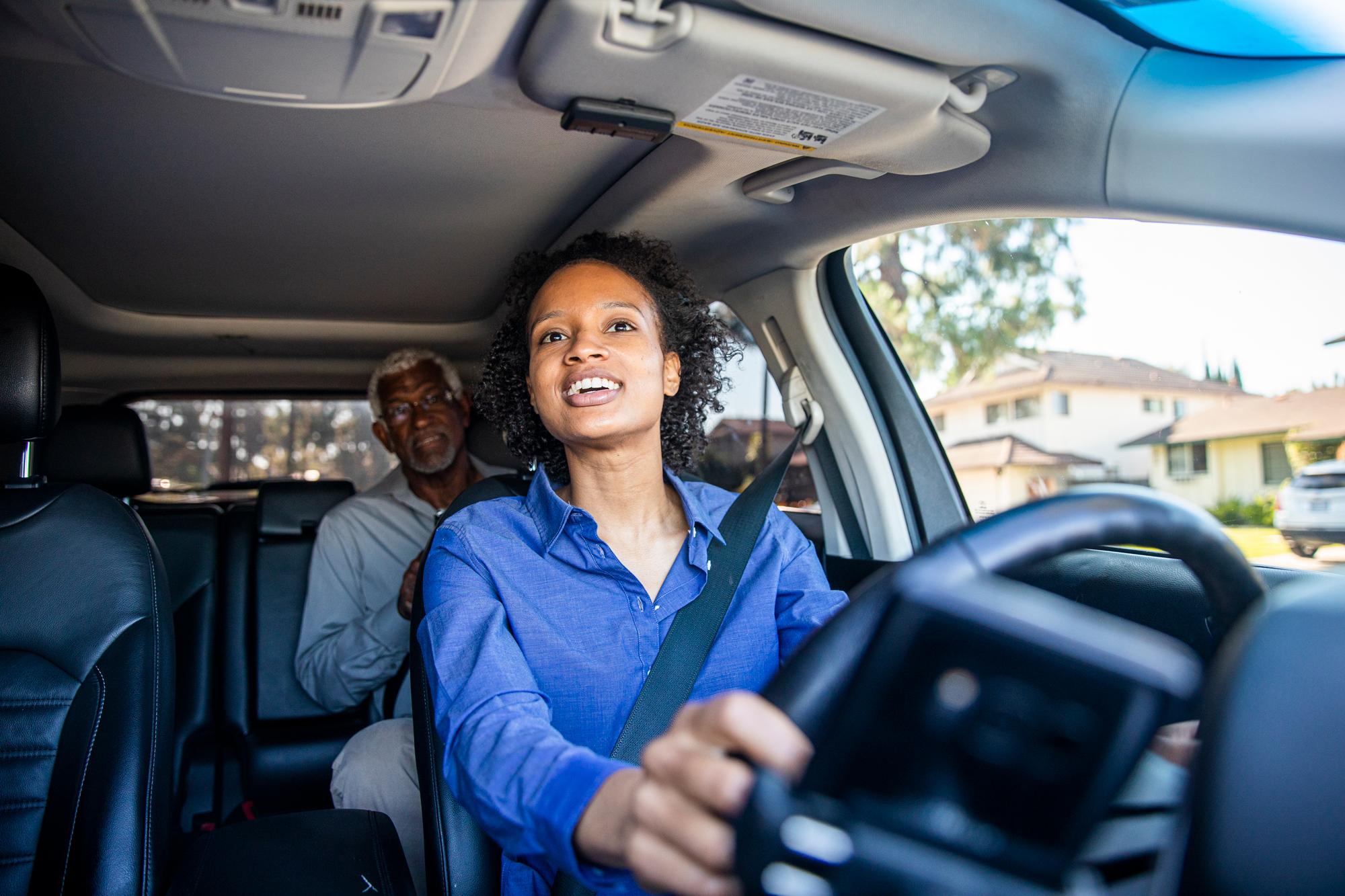
Access to healthcare is one of the most significant challenges many face, but what happens when the issue isn’t the quality of care or the availability of doctors, but something far simpler — transportation? For many, getting to a medical appointment is a hurdle that can’t be overlooked. Whether you're an older adult, a person with a disability, or someone without access to reliable transportation, the struggle to reach healthcare can have a profound impact on overall well-being. In this article, we’ll explore how transportation access affects healthcare, the benefits of non-emergency medical transportation (NEMT), and what you can do to bridge the gap.
## The Critical Connection Between Transportation and Healthcare Access
Getting to a doctor’s office or clinic may seem like a small task to some, but for many people, it’s a daily struggle. If you’re among those facing transportation barriers, missing a medical appointment can have serious consequences on your health. In fact, studies have shown that lack of transportation is one of the leading reasons people miss or delay their healthcare visits, ultimately leading to worse health outcomes and higher costs.
When you miss a scheduled appointment or can’t access the healthcare you need in a timely manner, problems can escalate. Preventive care goes by the wayside, chronic conditions may worsen, and overall quality of life can decrease. The importance of addressing this issue is clear, but how do we solve it?
## What Is Non-Emergency Medical Transportation (NEMT)?
Non-emergency medical transportation (NEMT) refers to transportation services that are specifically designed to help individuals with medical needs who cannot use public transportation or drive themselves. Unlike emergency medical services (EMS), NEMT is used for non-urgent situations — things like routine doctor visits, physical therapy sessions, or appointments with specialists.
These services are typically available through healthcare programs like Medicaid or private insurance plans. NEMT can also be provided by local community organizations or even through paid transportation services. The goal of NEMT is to make sure that people who need medical care have reliable access to transportation without the financial strain or inconvenience of having to rely on family members or public transit.
For those who qualify, [The Art of Healthy Living](https://artofhealthyliving.com/what-is-and-who-can-use-non-emergency-medical-transportation/) outlines how NEMT can be a game-changer, ensuring that transportation barriers do not prevent you from getting the care you need.
## Who Needs NEMT?
So, who stands to benefit from NEMT? The answer is more people than you might think.
### Older Adults
As we age, our ability to drive may diminish, or we may find it difficult to rely on public transportation due to mobility issues or safety concerns. Many seniors require regular doctor visits to manage chronic conditions, and lack of transportation can limit their ability to attend these appointments. NEMT helps ensure older adults stay on top of their healthcare needs.
### Individuals with Disabilities
People with physical or cognitive disabilities often find it challenging to navigate public transportation or drive themselves. Specialized transportation, such as wheelchair-accessible vehicles, can be necessary for them to reach healthcare appointments. NEMT is a lifeline for those who would otherwise struggle to get the care they need.
### Low-Income Individuals
Those living in poverty or without access to reliable vehicles are also at a higher risk of missing medical appointments. Without transportation options, they might have to choose between their health and other essential needs like work or childcare. NEMT ensures that transportation isn’t a roadblock to essential care.
### People with Chronic Illnesses
For individuals with chronic conditions that require ongoing care, regular medical visits are crucial. However, transportation issues can prevent them from staying on track with their treatment plan, resulting in worsening health and higher healthcare costs. NEMT services provide a critical solution to this issue.
## Why NEMT Matters for Health Outcomes
The role of NEMT in improving healthcare access goes beyond just getting someone to their appointment. By ensuring that people can attend regular check-ups and follow-up visits, NEMT helps prevent the escalation of medical issues that might otherwise go unnoticed or untreated.
### Reducing Missed Appointments
One of the main reasons NEMT services are essential is that they directly address missed medical appointments, a significant contributor to poor health outcomes. According to studies, missed appointments can lead to worsened conditions, higher rates of emergency room visits, and even hospitalizations. By providing transportation, NEMT helps reduce the number of missed visits and ensures that patients receive consistent care.
### Promoting Preventive Care
Regular check-ups are a cornerstone of preventive care. These appointments can catch issues early when they are easier and less costly to treat. For those with transportation barriers, missing these appointments can lead to undiagnosed health problems, putting individuals at a higher risk of complications later on. NEMT helps people stay on top of their health by giving them a reliable way to get to these preventive appointments.
### Improving Health Equity
Transportation is a key factor in health equity. When people are unable to access healthcare due to transportation barriers, it disproportionately affects low-income communities, minorities, and rural areas. By providing equitable transportation solutions, such as NEMT, healthcare systems can help level the playing field and ensure that everyone has an opportunity to receive the care they need, regardless of their financial or physical circumstances.
## How to Find and Use NEMT Services
If you or someone you know could benefit from NEMT, the first step is to figure out what services are available. Here are some tips on how to find the right NEMT options:
1. **Check with Your Insurance Provider:** Many Medicaid and Medicare programs cover NEMT as part of their services. If you’re covered under one of these plans, start by contacting your insurance provider to learn about your NEMT options.
2. **Explore Local Community Resources:** Many non-profit organizations, health departments, and local government programs offer NEMT to low-income residents. Check with your area’s social services or healthcare providers for more information.
3. **Ask Your Healthcare Provider:** Your doctor’s office may also have information about transportation resources available in your area. Some clinics partner with NEMT providers to help patients with transportation needs.
4. **Look Into Ride-Sharing Services:** Some ride-sharing companies offer services for people with disabilities or those needing accessible transportation. While this may not always be covered by insurance, it can be a helpful option for some individuals.
5. **Consider Private Providers:** If you don’t qualify for free NEMT services, there are private companies that specialize in non-emergency medical transportation. Be sure to compare prices and read reviews to ensure reliability.
## Conclusion: Ensuring Healthcare Access for Everyone
Transportation should never be a barrier to healthcare, but for many, it is. Non-emergency medical transportation (NEMT) has become an essential service that helps ensure individuals can access the care they need, regardless of their transportation challenges. Whether you're an older adult, a person with a disability, or someone living in a rural area, NEMT plays a crucial role in improving health outcomes, reducing missed appointments, and promoting preventive care.
By exploring the NEMT options available to you and reaching out for help, you can make sure that transportation doesn’t stand in the way of your health. After all, your health is too important to let something as simple as getting to a doctor’s appointment stop you from getting the care you need.