# The Hidden Role of Automation in Producing High Efficiency Panels
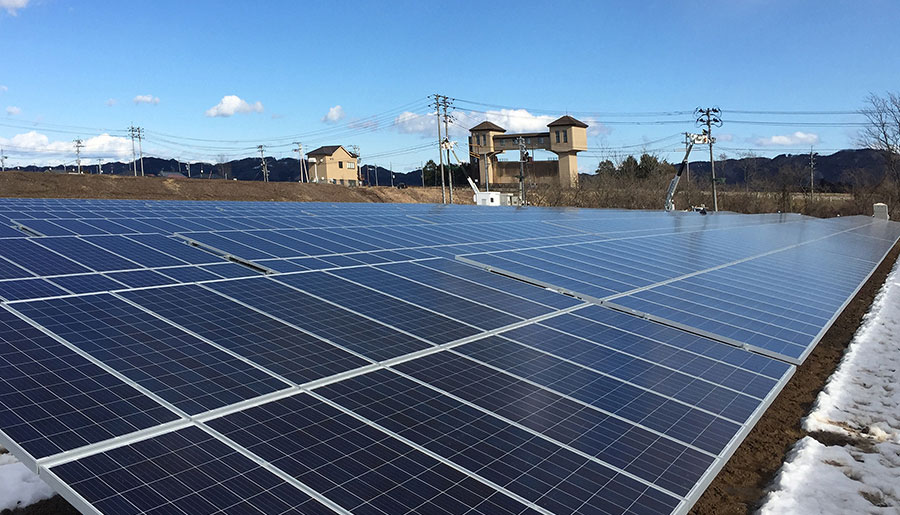
High‑efficiency panels—whether used for renewable energy systems, advanced electronics, or industrial applications—rarely achieve superior performance by chance. Their reliability and precision come from deeply engineered production processes, many of which never appear in marketing brochures or product labels. Behind the polished surface of each panel lies a complex sequence of automated steps that shape consistency, durability, and output quality. Most readers only see the final product, yet the real story begins long before a panel reaches a shipping crate.
Automation is often discussed through broad claims about speed or cost savings, but its influence on high‑efficiency panel manufacturing is far more nuanced. A closer look reveals how automated systems quietly ensure repeatability, stabilize material behavior, limit human‑factor variability, and support increasingly intricate designs that manual assembly can no longer handle. Automation has become an essential partner to engineering—not as a replacement for skill, but as an extension of it.
## Precision as a Foundation, Not a Luxury
High‑efficiency panels require microscopic accuracy in layer alignment, material deposition, bonding, and inspection. Even small deviations in thickness, temperature, or chemical composition can affect electrical output, structural integrity, or lifespan.
Automated platforms excel at maintaining stable conditions through:
precisely controlled movement mechanisms
real‑time environmental adjustments
closed‑loop feedback systems
advanced calibration routines
These elements work together to ensure each panel adheres to the same exacting standards. Consistency is especially vital for large‑scale arrays where thousands of units must perform uniformly. Small fluctuations across batches can distort cumulative output, making accuracy a fundamental requirement rather than an optional improvement.
## Material Handling That Preserves Quality
Modern high‑efficiency [solar panel](https://www.hssolar.com) incorporate delicate materials—thin films, composite layers, specialty coatings, microcells, or heat‑sensitive adhesives. Manual handling risks surface contamination, micro‑scratches, or uneven pressure distribution that might not show up during final inspection but can degrade performance over time.
Automated material‑handling systems limit those risks through:
non‑contact transfer heads
vacuum‑assisted grips tuned to precise tolerances
climate‑controlled loading zones
anti‑static routing channels
By protecting materials throughout each transition, automation helps preserve their designed electrical and mechanical properties. This careful handling contributes quietly but significantly to overall panel performance.
## Accelerated Production Without Sacrificing Control
Efficiency in production does not simply mean producing more units per hour. It also means enabling engineers to maintain predictable quality as output scales.
Automated lines:
shorten cycle times
minimize setup adjustments
prevent fatigue‑related inconsistencies
allow continuous monitoring across multiple stations
What makes this possible is the coordination between various automated components. Robotic manipulators, laser alignment units, inspection cameras, and drying or curing chambers all operate in concert. The result is a manufacturing environment that can handle complex processes swiftly without compromising standards.
## Advanced Inspection as a Backbone of Reliability
Inspection once relied heavily on human judgement. While human oversight remains valuable, automated inspection systems have evolved far beyond basic checks. High‑resolution imaging, infrared cameras, surface‑mapping lasers, and electrical‑characterization tools now detect anomalies that would be imperceptible to the eye.
Automated inspection can identify:
micro‑fractures
coating irregularities
thermal inconsistencies
alignment drift
microscopic contamination
By capturing and classifying these issues in real time, automated systems reduce rework and prevent flawed panels from reaching later stages. This significantly improves yield, especially in processes where extremely thin or delicate components are used.
## Data as an Engineering Asset
Modern manufacturing lines generate extensive data at every step. Automation makes this data usable by recording conditions, tracking variations, and correlating patterns that influence panel efficiency.
Engineers rely on this information to:
refine material formulations
adjust machine parameters
anticipate maintenance needs
reduce waste
evaluate long‑term product behavior
When thousands of production variables are captured and analyzed, small adjustments can produce measurable gains. These incremental improvements help manufacturers push efficiency levels higher without fully redesigning panel architecture.
## Reducing Waste Through Predictable Processes
Waste reduction is often framed as a cost issue, but it also plays a technical role in maintaining panel performance. Panels assembled with fewer material inconsistencies or production interruptions tend to show better uniformity across their surface area.
Automation helps reduce waste by:
accurately dispensing raw materials
optimizing cutting paths
predicting component degradation before failure
ensuring uniform curing or annealing
avoiding handling‑related defects
By minimizing scrap and rework, automated systems support eco‑conscious manufacturing practices while reinforcing product reliability.
## Enabling Designs Too Complex for Manual Production
As panels evolve, they incorporate more advanced features: multi‑junction structures, hybrid composites, flexible substrates, micro‑engraved surfaces, and integrated electronics. These features require extremely controlled production environments.
Automation enables these innovations through capabilities such as:
micrometer‑level positioning
controlled atmosphere chambers
programmable patterning
repeatable micro‑fabrication routines
Such precision allows manufacturers to experiment with new architectures that promise higher energy capture, better strength‑to‑weight ratios, or enhanced thermal behavior. Without automation, many of these designs would remain theoretical.
## Improving Worker Safety and Skill Utilization
Automation also helps distribute work in a more sustainable way. Many stages in panel manufacturing involve heat, chemicals, repetitive motions, or heavy equipment. Automated systems take on these high‑risk or highly repetitive tasks, giving human workers a safer environment and more time to focus on tasks requiring judgement and expertise.
This shift benefits manufacturers as well, since skilled workers can concentrate on:
process optimization
quality verification
troubleshooting
innovation
By pairing human insight with automated precision, production becomes both safer and more effective.
## Traceability That Enhances Trust
High‑efficiency panels often serve in demanding environments—remote power systems, industrial installations, or mission‑critical equipment. For these applications, traceability is essential.
Automation simplifies traceability by recording parameters for each panel, including:
batch origins of raw materials
machine settings at each stage
inspection results
operator interventions
environmental conditions during fabrication
This detailed history supports quality assurance, warranty management, and long‑term durability studies. It also builds confidence for customers who rely on the consistent performance of each unit.
## The Future: Automation as a Creative Tool
As automation continues to advance, it’s becoming more adaptive, not just more efficient. Machine‑learning‑enhanced controllers can now tune processes in real time, recognizing subtle variations in material behavior or environmental factors. Robots are becoming more versatile, making it easier to switch products or introduce new panel designs without rebuilding entire lines.
Instead of simply executing predefined routines, automated systems are beginning to assist engineers in exploring new manufacturing possibilities. This collaborative relationship between technology and human insight is leading to innovations once considered out of reach.
## A Quiet Force Behind Every High‑Efficiency Panel
While end users focus on energy ratings, lifespan, or cost, the reliability of high‑efficiency panels traces back to the production environment that shaped them. Automation provides the backbone for this environment—controlling variables, preserving material integrity, refining processes, and ensuring that each solar panel matches the expectations set by its design.
By working behind the scenes, automation enables progress without drawing attention to itself. Every smooth surface, tightly bonded layer, and consistent electrical response reflects thousands of coordinated automated actions that come together with purpose.
Manufacturers pursuing high‑efficiency designs rely on this hidden network of machines, sensors, and data systems to bring advanced concepts to life. As engineering continues to push the limits of performance, automation remains a steady partner, helping each new generation of panels reach higher levels of capability, reliability, and precision.