# A Greener Kitchen: The Benefits of Compostable Trash Bags and a Brush for Vegetables
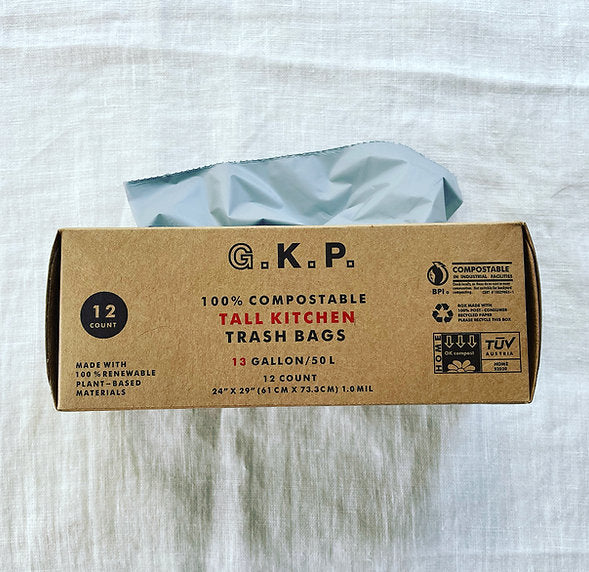
In a world that’s becoming more eco-conscious by the day, the kitchen has become a key battleground in the fight against plastic waste and unnecessary chemicals. Two small but impactful changes that many households are making include using **[compostable trash bags](https://missionrefill.com/products/tall-kitchen-trash-bags-12-count)** and a brush for vegetables. These simple swaps not only reduce waste but also make food preparation and disposal cleaner, healthier, and better for the planet.
This guide will help you understand why these items are gaining popularity, how they work, and how to choose the best ones for your home.
# Why Compostable Trash Bags Matter
Let’s face it—traditional plastic trash bags are convenient, but they come at a cost. Most are made from petroleum-based plastics that don’t decompose in landfills, contributing to long-term pollution. In contrast, compostable trash bags offer an eco-friendly alternative that breaks down into non-toxic elements under the right conditions.
What Are Compostable Trash Bags Made Of?
Unlike regular plastic bags, compostable trash bags are typically made from:
Plant-based materials like cornstarch or potato starch
Biopolymers that decompose under composting conditions
Non-toxic additives that assist in biodegradation
These ingredients allow the bags to break down into carbon dioxide, water, and organic matter—leaving no harmful microplastics behind.
# Benefits of Using Compostable Trash Bags
Eco-friendly disposal: Perfect for composting food scraps, they reduce reliance on petroleum-based plastics.
Safer for wildlife: Compostable materials don’t linger in nature and are less likely to harm animals.
Odor control: Many compostable bags are breathable, helping to reduce smells from organic waste.
Convenient for urban composting: Ideal for homes using curbside compost pickup or backyard compost bins.
These bags are particularly useful in kitchens where food waste makes up a large portion of the trash. They simplify composting by eliminating the need to dump scraps out of plastic liners.
# Choosing the Right Compostable Trash Bags
Not all compostable products are created equal. Here’s what to consider when selecting compostable trash bags:
1. Certification
Look for certification logos like:
* BPI Certified Compostable (U.S.)
* EN 13432 (European standard)
* OK Compost Home (suitable for backyard composting)
These labels ensure the bags meet recognized standards for breakdown and toxicity.
2. Size and Strength
Match the bag size to your bin, whether it’s a small countertop caddy or a full-size kitchen bin. Also, look for bags that are tear-resistant and leak-proof.
3. Shelf Life
Because compostable bags break down naturally, they have a shorter shelf life than plastic. Store them in a cool, dry place and use them within the recommended time frame.
# Making the Switch to a Brush for Vegetables
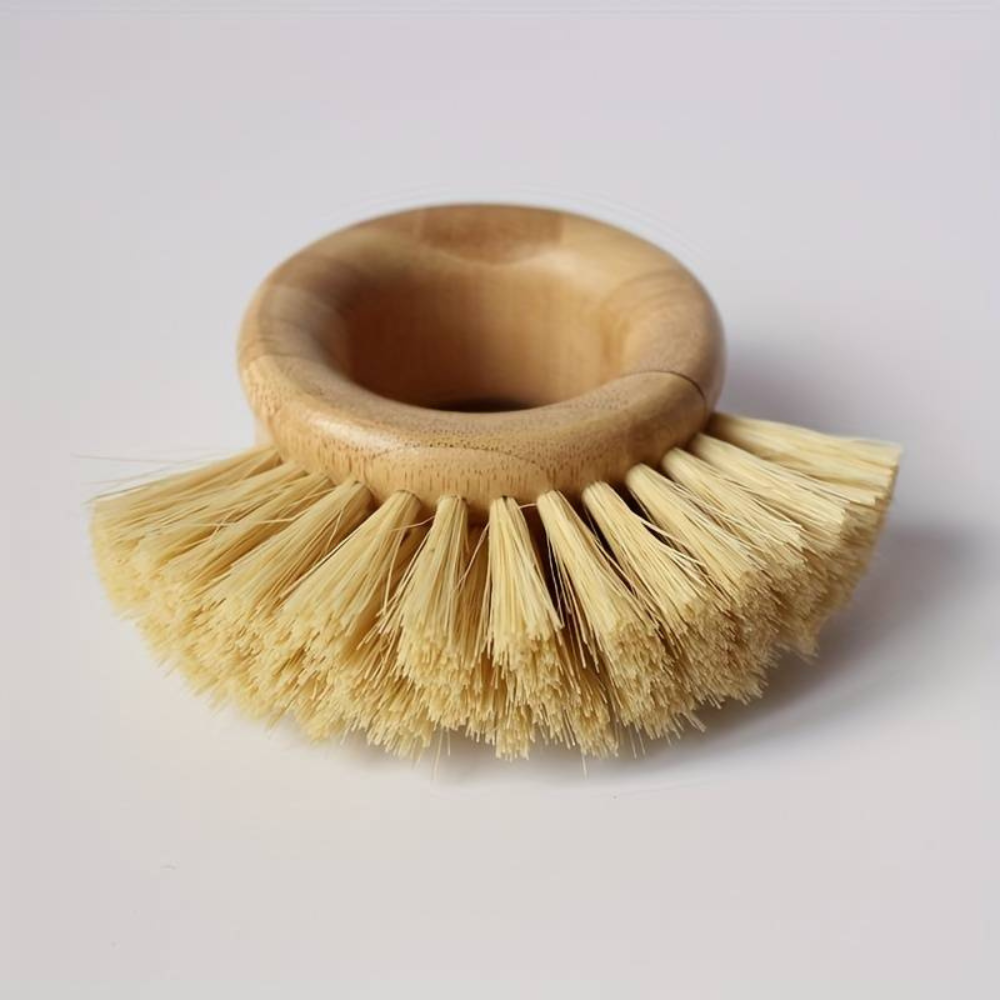
Scrubbing fresh produce is a crucial step in food preparation, especially if you're trying to reduce pesticide residue and avoid dirt in your meals. A **[brush for vegetables](https://missionrefill.com/products/bamboo-vegetable-cleaning-brush)** makes this process quick, effective, and chemical-free.
Why Not Just Rinse?
While rinsing under water removes some surface contaminants, it often isn’t enough—especially for root vegetables like potatoes, carrots, and beets that grow in the soil. A vegetable brush:
* Lifts off soil and debris
* Removes wax coatings
* Reduces pesticide residue
* Preserves the skin, which contains valuable nutrients
And since many of us are trying to waste less food, keeping the skin on vegetables whenever possible is a smart and sustainable choice.
# Choosing the Best Brush for Vegetables
Here’s what to look for in a good veggie scrubber:
1. Bristle Type
Soft bristles for delicate produce like tomatoes or mushrooms
* Firm bristles for root vegetables and thicker skins
* Some brushes offer dual-sided designs for versatility.
2. Natural Materials
Eco-conscious buyers should seek out brushes made from:
* Sustainable wood like bamboo
* Plant-based bristles such as agave fiber or coconut husk
* Biodegradable or recyclable handles
Avoid plastic brushes, which tend to degrade quickly and contribute to microplastic pollution.
3. Ergonomic Design
Look for a handle that’s easy to grip, especially if you're cleaning several vegetables at once. A compact size also makes storage easy and encourages regular use.
# How to Use and Care for a Vegetable Brush
Using a brush for vegetables is simple:
* Rinse the produce under cool running water.
* Gently scrub the surface with the brush.
* Rinse again to remove loosened debris.
To care for the brush:
* Rinse it after each use.
* Allow it to air-dry thoroughly.
* Occasionally sanitize with a vinegar solution or mild soap.
Replacing your vegetable brush every few months helps maintain hygiene and effectiveness.
**Small Changes, Big Impact**
Switching to compostable trash bags and using a brush for vegetables might seem like minor tweaks, but they contribute to a healthier home and a cleaner planet. Here’s how:
Reduces plastic dependency: By choosing compostable alternatives, you help reduce the demand for petroleum-based products.
Minimizes food waste: Proper washing of vegetables lets you use more of the produce, including nutritious skins.
Supports better habits: These choices promote mindfulness and encourage others in your household to follow suit.
**Tips for a Greener Kitchen Routine**
To make the most of your eco-friendly efforts, try combining these practices:
Compost kitchen scraps using compostable bags in a countertop bin.
Buy loose produce to avoid plastic packaging and use your vegetable brush to clean them before cooking.
Refill your cleaning and dishwashing supplies instead of buying new plastic containers each time.
Use cloth napkins and reusable towels to reduce paper waste.
Creating a sustainable kitchen doesn’t happen overnight, but small steps like these add up quickly.
# Conclusion: Clean Living Starts in the Kitchen
Embracing sustainability doesn’t have to be complicated or expensive. Choosing items like compostable trash bags and a brush for vegetables is a simple, affordable way to reduce waste, protect your health, and support a cleaner planet.
For those looking to make even more mindful choices, **[Mission Refill](https://missionrefill.com/)**, a local refilling store, offers eco-friendly alternatives to everyday products. Whether you’re stocking up on compostable bags, natural brushes, or refillable cleaning solutions, Mission Refill helps you cut down on plastic without sacrificing quality or convenience.