# The ABCs of Hazardous Waste: Understanding Regulations and Best Practices Globally
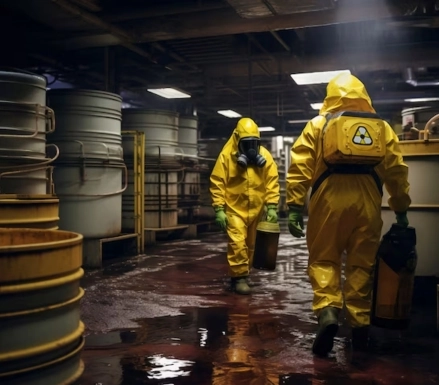
Explore the essential regulations and best practices in hazardous waste management. Understand global environmental services to enhance your compliance and safety efforts.Understanding **[hazardous waste management](https://epscoindia.com/services/hazardous-material-handling/)** is crucial in today’s world, where environmental sustainability and health risks are top priorities. According to the United Nations, approximately 400 million tons of hazardous waste are generated annually, making effective management and regulation imperative. Hazardous waste poses significant threats to the environment and public health, as it can contaminate water, soil, and air if not handled appropriately. This blog aims to provide a foundational understanding of hazardous waste regulations and best practices on a global scale.
By exploring the various regulations, types of hazardous waste, and effective management strategies, we can foster a deeper understanding of the importance of proper hazardous waste management.
Furthermore, insights on environmental services related to hazardous waste will also be discussed to enhance compliance and ensure safety.
**The Basics of Hazardous Waste Management**
Hazardous waste management encompasses the processes and regulations involved in handling waste that poses a threat to human health or the environment.
**Key Definitions**
**Hazardous Waste:** Waste that contains harmful materials and poses risks.
**Management Practices:** Methods established to ensure safe handling and disposal of hazardous waste.
Regulatory Compliance: Adhering to laws and guidelines set forth by governing bodies.
**Understanding Hazardous Waste:**
Types of Hazardous Waste: Hazardous waste can be classified into various categories including chemical, biological, and radioactive waste.
**Sources of Hazardous Waste:** Common sources include industries, hospitals, and households that improperly dispose of chemicals.
**Health Risks:** Exposure to hazardous waste can lead to severe health problems, including cancer, respiratory issues, and neurological damage.
**Environmental Impact:** Improper disposal can cause pollution of water bodies, soil degradation, and disruption of ecosystems.
**Regulatory Frameworks:** Different countries have established regulations like the Resource Conservation and Recovery Act (RCRA) in the U.S. for managing hazardous waste.
**Treatment Technologies:** Technological advancements allow for safer treatment methods, such as incineration and chemical neutralization.
**Training and Education:** Staff training on handling hazardous waste is essential for minimizing risks and ensuring safety.
**Documentation and Reporting:** Keeping accurate records of hazardous waste generation and disposal is vital for compliance and accountability.
**Global Regulations on Hazardous Waste**
Understanding the global landscape of hazardous waste regulations is crucial for effective management.
**Regulatory Frameworks**
International Treaties: Various treaties govern hazardous waste, like the Basel Convention which regulates transboundary movements.
**National Legislation:** Countries implement their laws that align with international standards.
**Navigating Global Regulations:**
**Basel Convention:** This treaty aims to reduce hazardous waste movement between nations, ensuring environmentally sound management.
**EU Regulations:** The EU has stringent policies focusing on waste prevention, recycling, and responsibilities for producers.
**US Regulations:** The Resource Conservation and Recovery Act governs hazardous waste management in the United States.
**Compliance Challenges:** Companies often face challenges in adhering to diverse regulations across different countries.
**Penalties for Non-Compliance:** Failing to follow regulations can result in severe penalties, including hefty fines and legal action.
**Role of Agencies:** Regulatory agencies play a vital role in monitoring compliance and conducting inspections.
**Public Awareness Programs:** Governments encourage public education on hazardous waste management to foster compliance and safety.
**Best Practices Sharing:** Countries are increasingly exchanging knowledge and best practices to improve hazardous waste management globally.
Best Practices in Hazardous Waste Management
Implementing best management practices is vital in ensuring the safe handling and disposal of hazardous waste.
**Effective Management Strategies**
**Waste Minimization:** Reducing the generation of hazardous waste through efficient processes.
**Safe Storage:** Utilizing appropriate containers and storage conditions to prevent leaks and spills.
**Implementing Best Practices:**
**Waste Audits:** Regular audits help identify, categorize, and manage hazardous waste effectively.
Training Programs: Regular training equips employees with the knowledge to handle hazardous materials safely.
**Emergency Response Plans:** Establishing procedures for addressing spills and accidents ensures preparedness.
**Collaboration with Experts:** Partnering with specialized environmental services enhances compliance and safety.
**Technology Adoption:** Utilizing advanced technology for treatment and disposal enhances waste management efficiency.
**Sustainability Initiatives:** Companies are encouraged to adopt sustainable practices, reducing overall waste generation.
**Community Engagement:** Involving the community in hazardous waste discussions fosters awareness and support.
**Regular Reviews:** Continuously reviewing policies and practices ensures alignment with the latest regulations.
**Embracing Responsible Waste Management**
Understanding the regulations and best practices surrounding hazardous waste management is essential for safeguarding our environment and public health. By adhering to established guidelines and implementing effective strategies, organizations can minimize risks associated with hazardous waste. Companies like EPSCO India provide valuable **[environmental services](https://epscoindia.com/)** that help businesses navigate the complexities of hazardous waste management, ensuring compliance and safety.
For more information on hazardous material handling, visit EPSCO India. By staying informed and proactive, we can all contribute to a safer, healthier planet.